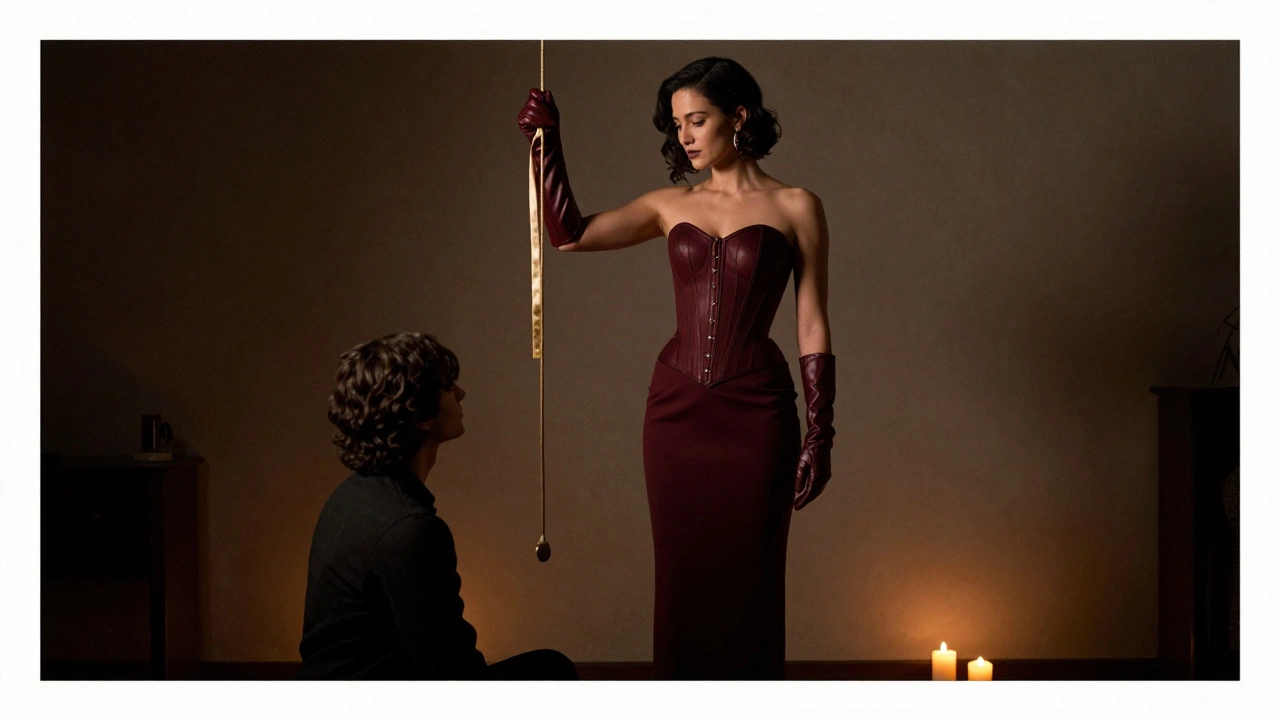
When people talk about kink and feminism, they often assume they’re opposites. One is about power, control, and taboo. The other is about equality, autonomy, and liberation. But that’s not the full story. In reality, many feminists have spent decades examining how power works in intimate spaces-not to condemn kink, but to understand it. The idea that BDSM, domination, or role-play are inherently anti-feminist comes from a narrow view of what consent and agency really mean. Kink isn’t the opposite of feminism. Sometimes, it’s one of its most honest expressions.
There’s a strange disconnect in how society treats sexual expression. A woman who chooses to be a submissive partner in a consensual dynamic is often labeled as broken or brainwashed. Meanwhile, a woman who works as a girl escort in london is dismissed as a victim or a commodity-never as someone making an informed, empowered choice. Both scenarios involve performance, boundaries, and negotiation. Yet only one is routinely criminalized or pathologized. Why? The double standard isn’t about safety. It’s about control. Who gets to define what ‘proper’ sexuality looks like? And who decides when pleasure becomes exploitation?
What Feminist Theory Actually Says About Kink
Feminist thinkers like Gayle Rubin, Pat Califia, and Carol Queen didn’t reject kink-they redefined it. Rubin’s 1984 essay "Thinking Sex" was one of the first to argue that sexual minorities, including BDSM practitioners, shouldn’t be treated as deviant by default. She pointed out that society labels some sexual behaviors as dangerous not because they harm people, but because they challenge traditional gender roles. Feminist theory doesn’t demand that all women reject dominance or submission. It demands that they get to choose without being judged.
Queens’ work in the 1990s pushed further. She wrote about how women in BDSM communities often have more control over their sexual narratives than in conventional relationships. In a scene, roles are negotiated, limits are set, and safewords are non-negotiable. That’s not submission-it’s structured autonomy. The power exchange isn’t about losing control. It’s about handing it over, temporarily, with full awareness. That’s the opposite of coercion.
The Myth of the "Oppressed Submissive"
Too often, outsiders assume that anyone who enjoys being dominated must have been traumatized. That assumption ignores decades of research. A 2019 study in the Journal of Sexual Medicine found that people who practice consensual BDSM report higher levels of relationship satisfaction, communication skills, and emotional well-being than non-practitioners. Why? Because they’ve learned how to talk about boundaries, desires, and fears upfront. They don’t assume their partner knows what they want. They ask.
That’s not weakness. That’s emotional intelligence. And it’s exactly what feminist theory has been calling for since the 1970s: women speaking their needs out loud, without shame. The idea that a woman who likes to be tied up or called "bad girl" is somehow less feminist than one who refuses any form of role-play is absurd. Feminism isn’t about prescribing one kind of sex. It’s about protecting the right to have any kind-so long as it’s safe, sane, and consensual.

Where the Conflict Really Lies
The real tension between kink and feminism isn’t about what happens in the bedroom. It’s about who gets to speak for women. Mainstream feminism has historically been dominated by voices that equate sexual liberation with rejecting male-defined norms. That’s valid. But it’s incomplete. What if a woman’s liberation means embracing a role society says she shouldn’t want? What if her power comes from surrendering control in a way that feels deeply authentic?
That’s where the backlash comes from. Not because kink is dangerous. But because it’s messy. It doesn’t fit into neat categories. It doesn’t align with the idea that all women should want the same things. And that unsettles people who like their movements clean and predictable.
Meanwhile, the sex industry-especially escort services-faces the same judgment. A woman who offers companionship and intimacy for money is often called a victim. But ask her how she chooses clients, sets rates, and refuses requests. You’ll hear the same language feminists use: boundaries, consent, autonomy. The difference? She’s not asking for permission to exist. She’s already living it.
Why "Escort London Girl" Is a Red Herring
When you search for "escort london girl," what you find is a commercial listing-not a personal story. That’s the problem with how society frames sexuality. It turns lived experiences into products. A woman who works as an escort isn’t defined by the transaction. She’s defined by her choices: when to work, who to meet, what to say yes or no to. That’s not exploitation. That’s entrepreneurship. And it’s feminist.
But we’re not supposed to see it that way. The media paints sex workers as tragic figures. Kinksters as disturbed. Both are framed as things that happen to women-not things women choose. That’s the real conflict. Feminism should be about expanding the range of acceptable choices, not shrinking it.
What This Means for You
If you’re someone who enjoys power play, role reversal, or any form of consensual kink, you don’t have to apologize. You don’t have to prove you’re "not like that" to be a feminist. You’re already part of the movement if you demand the right to define your own pleasure.
If you’re someone who thinks kink is inherently oppressive, ask yourself: why? Is it because it looks different from what you’re used to? Or because it challenges your assumptions about power? The real question isn’t whether kink is feminist. It’s whether you’re willing to let women define feminism for themselves-even when it doesn’t match your idea of what it should look like.
And if you’re a woman who’s ever been told your desires are wrong, remember this: your body, your rules. Whether you’re negotiating a scene, setting boundaries with a client, or saying no to a date you don’t want-you’re doing the work feminism was built for. Not in protest. In practice.
There’s a reason so many women in kink communities call themselves "feminist dominants" or "submissive feminists." They’re not contradicting themselves. They’re reclaiming language. They’re saying: I’m not broken. I’m not exploited. I’m not a victim. I’m just a woman who knows what she wants-and who won’t let anyone tell her it’s wrong.
That’s not just kink. That’s feminism.