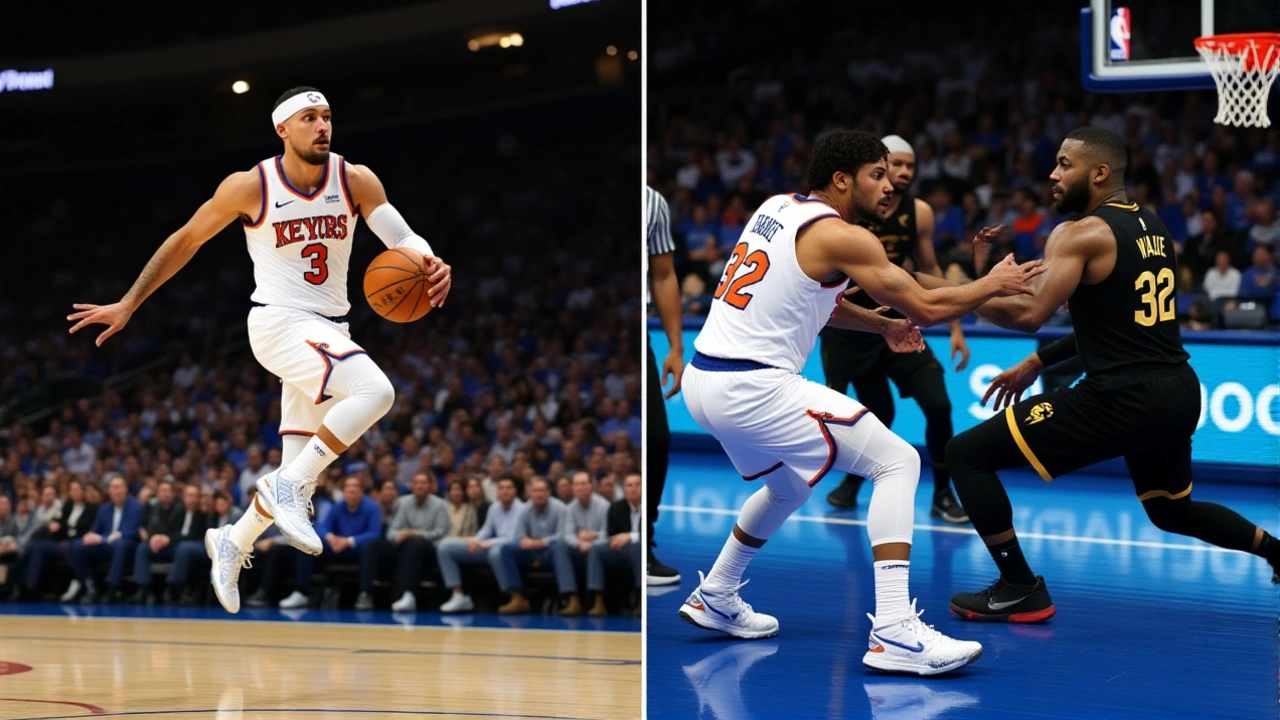
It’s the kind of coaching decision that splits fan bases down the middle. In a game defined by an improbable, heart-stopping comeback during the Eastern Conference FinalsMadison Square Garden, Josh Hart, guard/forward for the New York Knicks sat on the bench while his team erased a massive deficit to steal victory. For a player known as the team's primary "spark plug," missing the closing minutes of such a pivotal playoff win is unusual. But head coach Tom Thibodeau, head coach of the New York Knicks made a calculated gamble: he prioritized size and rim protection over hustle and versatility.
The twist is that this wasn't just a random substitution. It signals a potential shift in strategy for a franchise desperate to break through in the postseason. Here’s what happened, why it matters, and what it means for the rest of the series.
A Bold Move from a Conservative Coach
Thibodeau has built his reputation on grinding out wins with a short rotation. He trusts veterans. He plays heavy minutes. Sitting one of your best two-way players in the fourth quarter of a Game 3 loser-goes-home scenario? That’s not standard operating procedure for him.
But the Knicks were trailing by double digits late in the third quarter. The opponent was dominating the paint, finding easy buckets inside. Thibodeau looked at his roster and made a choice. He pulled Hart—who had been playing well but lacked the physical bulk to deter interior drives—and inserted Mitchell Robinson, center for the New York Knicks.
Robinson, standing at 7-foot-0, provided immediate rim protection. His presence forced opponents into tougher shots. Meanwhile, Jalen Brunson, point guard for the New York Knicks took control of the offense, orchestrating a methodical dismantling of the opposing defense. Alongside Mikal Bridges, wing for the New York Knicks, OG Anunoby, forward for the New York Knicks, and Karl-Anthony Towns, center/forward for the New York Knicks, this lineup formed a formidable unit. They didn’t just cut the lead; they flipped the script entirely.
Thibodeau explained his reasoning postgame: "We just went with the group that had it going. We needed size and rim protection." It’s a pragmatic answer, but it raises questions about whether Hart’s role is evolving—or shrinking—in high-leverage moments.
Hart’s Reaction: Team First, Always
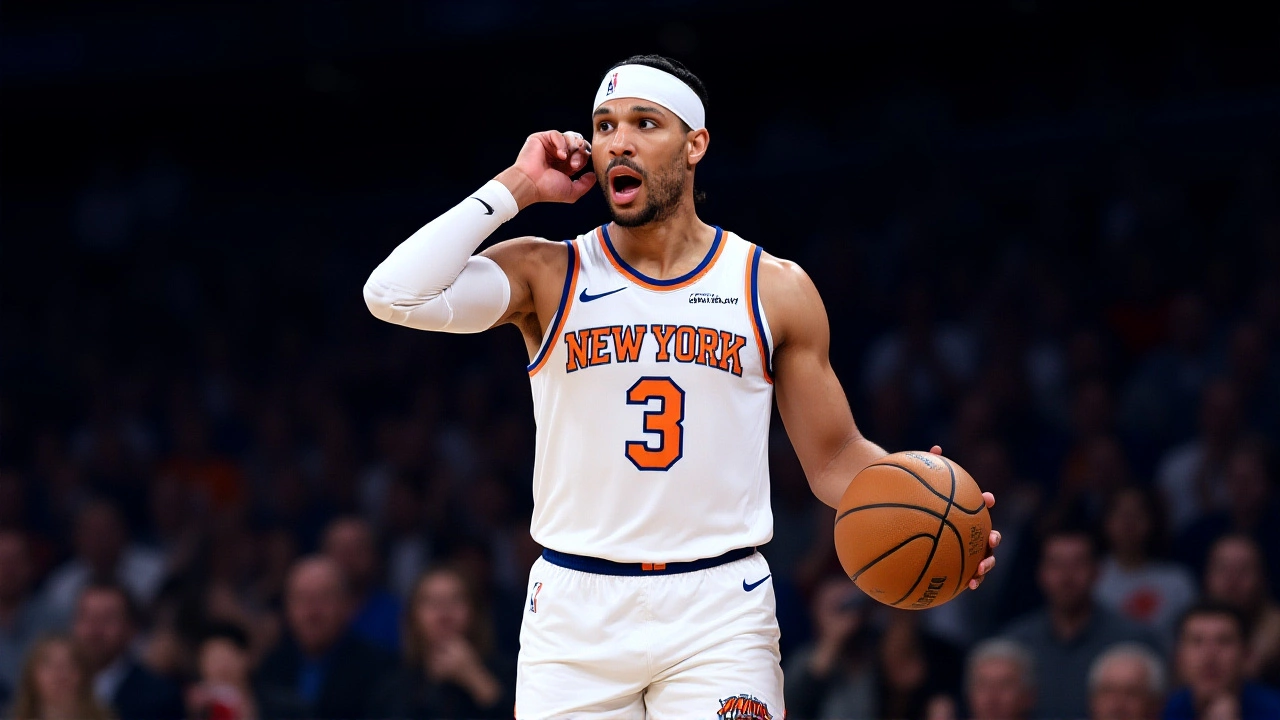
You’d expect frustration. Maybe even resentment. After all, Hart has been a cornerstone of this team’s identity since joining. He leads in rebounding among guards, sets hard screens, and provides defensive intensity that can’t be taught. Yet, when asked about sitting out the final stretch, Hart remained professional.
"I’m always going to be ready when my number is called," Hart said. "It’s about winning."
His body language told the same story. On the bench, he stood, clapped, and cheered for his teammates. No sullen stares. No crossed arms. Just support. This professionalism is rare in the NBA, especially under pressure. It speaks volumes about his character and leadership.
Teammates echoed his sentiment. Brunson praised Hart’s attitude: "Josh is our heart and soul. We don’t win this series without him." Even Anunoby noted that lineup decisions are up to the coaches, emphasizing unity over individual egos.
Context Matters: A Series on the Line
To understand the weight of this moment, you have to look at the bigger picture. The Knicks entered this series trailing 2-0. Reports from ESPN’s Shams Charania suggested Thibodeau was considering replacing Hart in the starting lineup with Robinson. If true, this would mark the first time the original five—Brunson, Bridges, Anunoby, Hart, and Towns—were altered while all were healthy.
Historically, this starting five has been elite. During the regular season, they posted one of the best net ratings in the league, combining spacing from Towns and Bridges with perimeter defense from Anunoby and Hart. But playoffs expose weaknesses. Opponents targeted Hart defensively, using his relative lack of size against them in the post.
In previous games, Hart played over 35 minutes per contest, averaging double-digit points and rebounds. But efficiency dropped. Turnovers increased. Against a physically imposing frontcourt, his limitations became apparent. Thibodeau saw this pattern and adjusted.
What’s Next for the Knicks?
This win cuts the deficit to 2-1, but the series isn’t over. Game 4 looms large, offering another chance to test these strategic shifts. Will Thibodeau stick with Robinson in the starting lineup? Or will he revert to form, trusting Hart’s energy to drive momentum?
Analysts are divided. Some praise Thibodeau’s adaptability, calling it a masterclass in matchup exploitation. Others worry about long-term implications. Can the Knicks sustain success without Hart’s unique skill set? What happens if opponents adjust again?
One thing is certain: depth matters. The ability to win with different lineups shows resilience. It also keeps opponents guessing. As the series progresses, every possession counts. Every substitution carries weight. And every decision reflects the fine line between risk and reward.
For now, the Knicks celebrate a hard-fought victory. They proved they can overcome adversity. They showed flexibility. And they demonstrated that sometimes, sitting your star player is the boldest move of all.
Frequently Asked Questions
Why did Tom Thibodeau bench Josh Hart during the comeback?
Thibodeau benched Hart to prioritize size and rim protection against an opponent dominating the paint. By inserting Mitchell Robinson, he aimed to disrupt interior scoring and stabilize the defense during critical moments.
How did Josh Hart react to being benched?
Hart responded professionally, stating he’s always ready when called upon and emphasizing team success over personal minutes. His supportive behavior on the bench highlighted his leadership and commitment to the team’s goals.
Is this a permanent change to the Knicks’ starting lineup?
Not necessarily. While reports suggest Thibodeau considered replacing Hart with Robinson, this may reflect situational adjustments rather than a permanent shift. Future games will determine if this becomes a consistent strategy.
What impact does Mitchell Robinson have compared to Josh Hart?
Robinson offers superior rim protection and shot-blocking due to his height and physicality, making him ideal against strong interior offenses. However, he lacks Hart’s spacing, ball-handling, and versatile defensive skills, which can affect offensive flow.
How does this decision affect the Knicks’ chances in the Eastern Conference Finals?
This decision showcases the Knicks’ depth and strategic flexibility, potentially giving them an edge in adapting to various matchups. Success hinges on maintaining balance between size and versatility as the series continues.